
Product Description
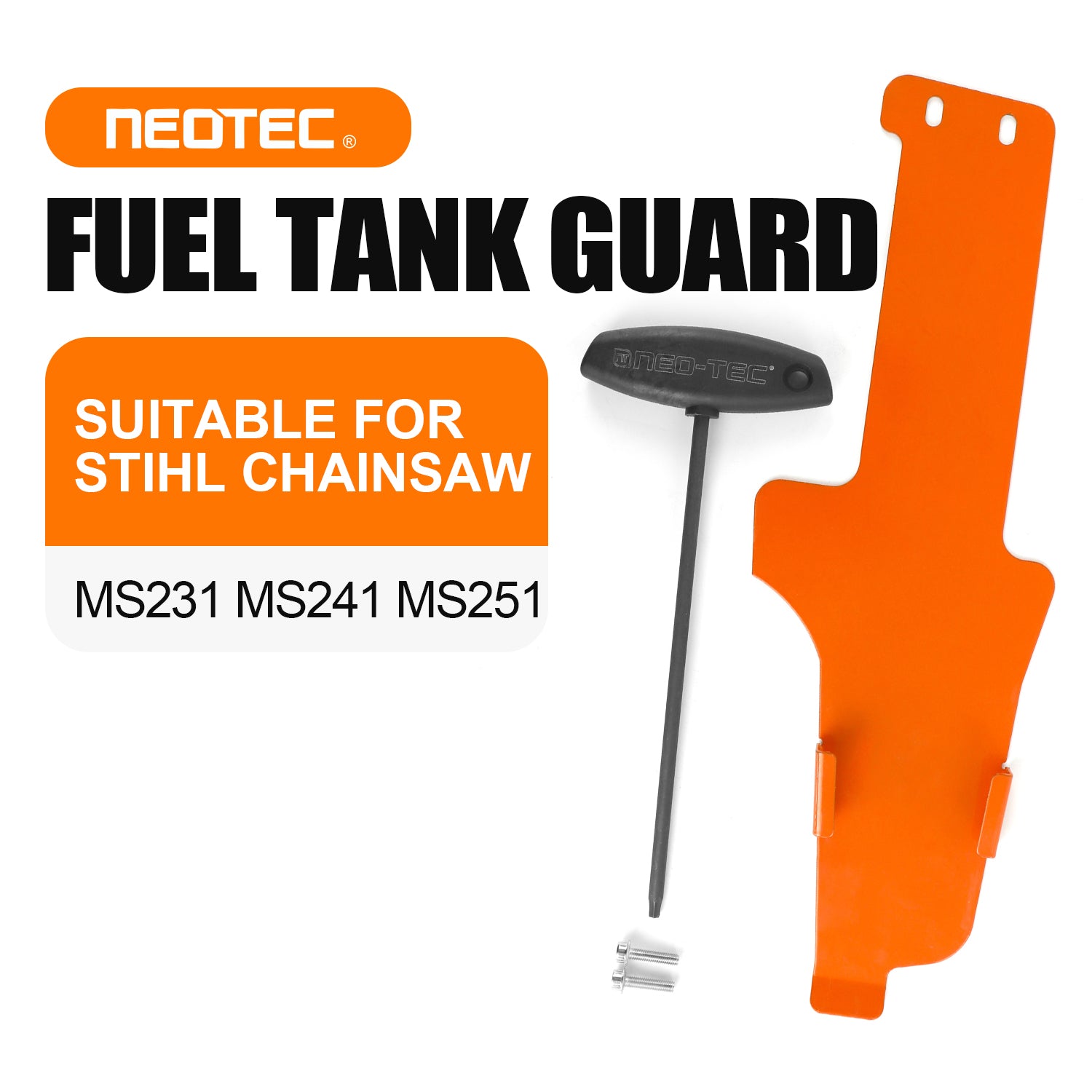
Chainsaw Tank Handle Guard Protection Plate Fit For Stihl MS231 MS241 MS251 Chain Saw Protection Skid Plate
Fit Models
Fit For Stihl:MS231 MS241 MS251
Packing List:Protection Plate X 1 , Screw X 2 ,Wrench X 1
SAW OR TANK IS NOT INCLUDED JUST THE TANK GUARD
Notes
There Are Slight Difference Between The Picture And The Real Item Caused By Light Brightness, Hope You Can Understand.
If You Have Any Uncertainty Or Feel Confused About The Item, Please Feel Free To Contact Us, Your Problem Will Be Solved ASAP!
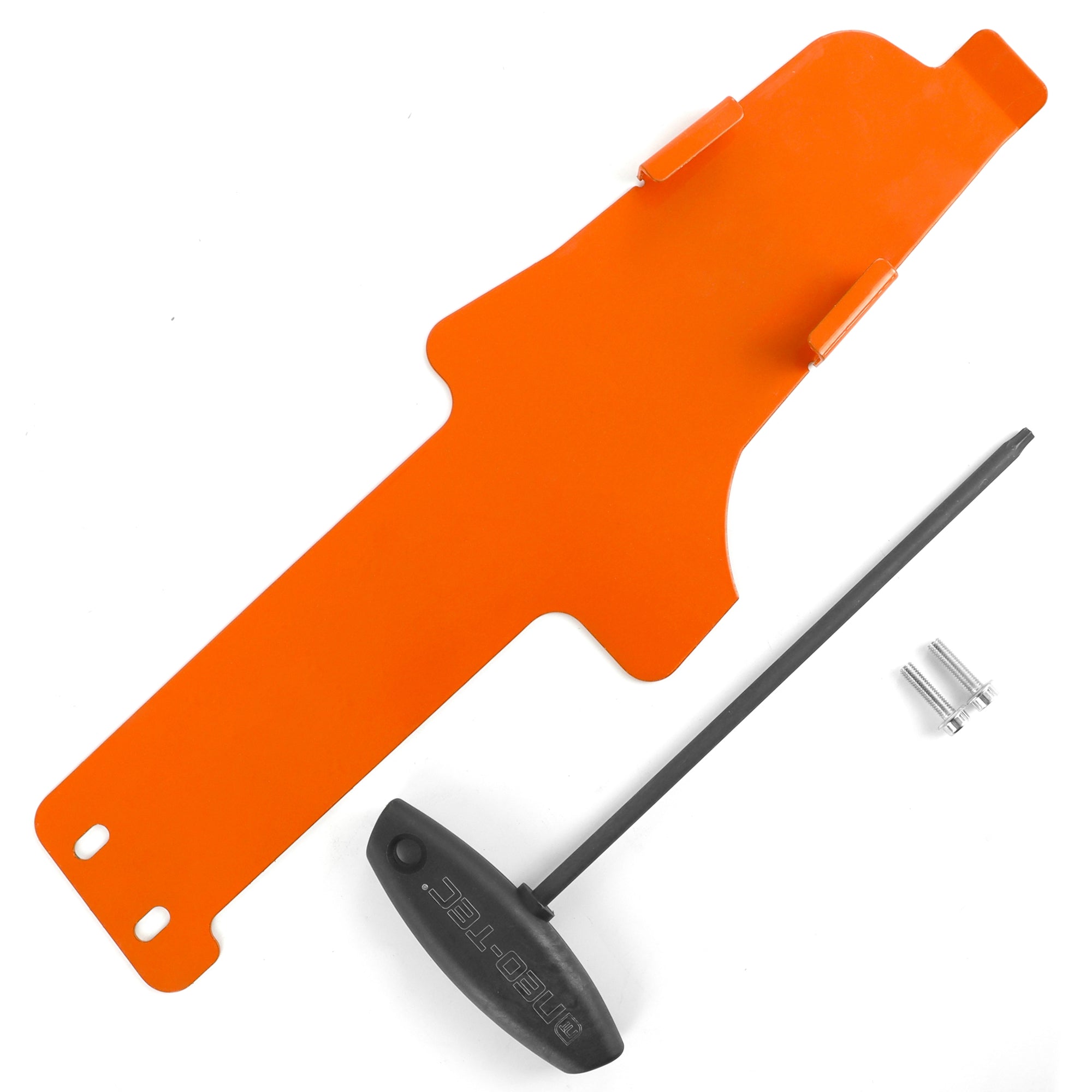
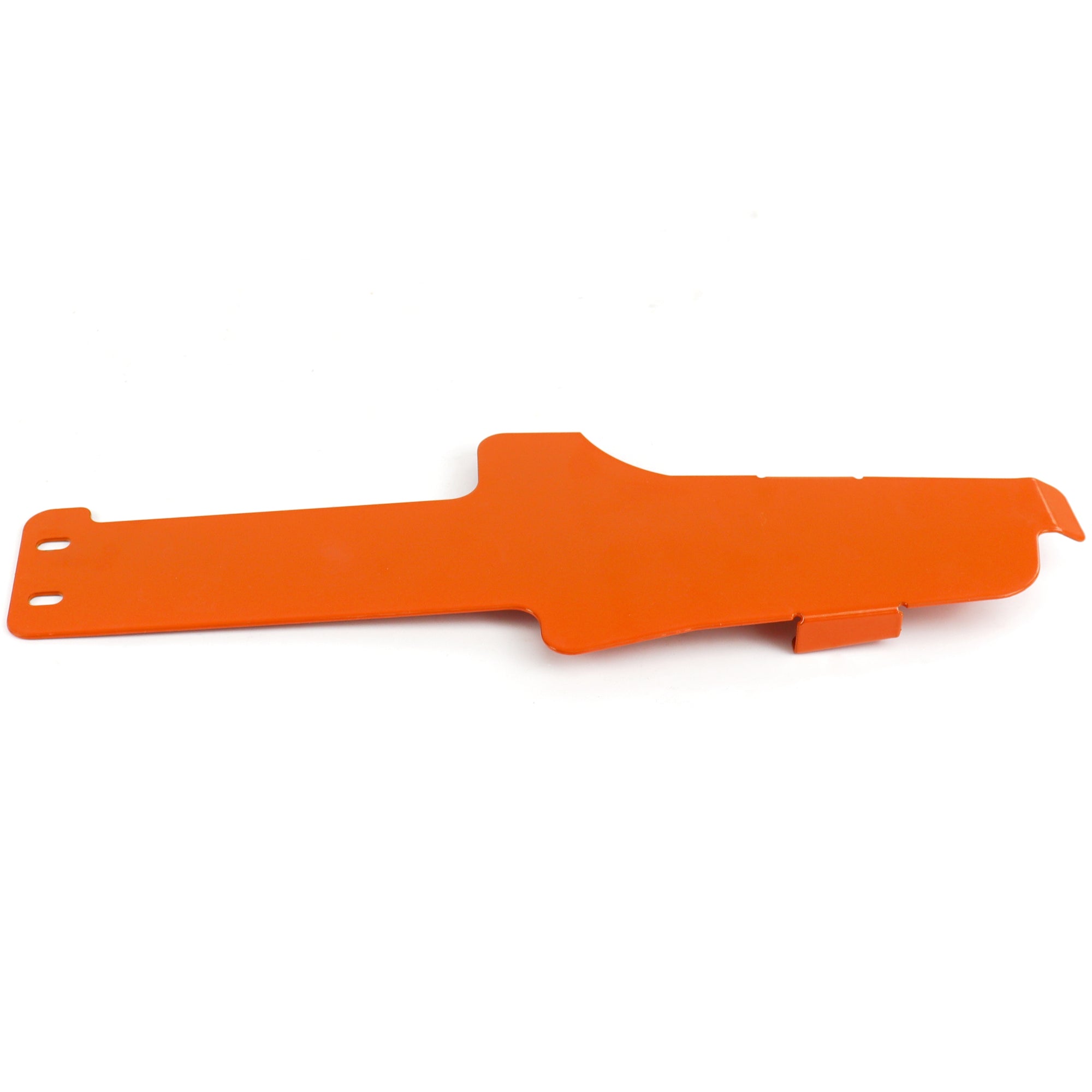
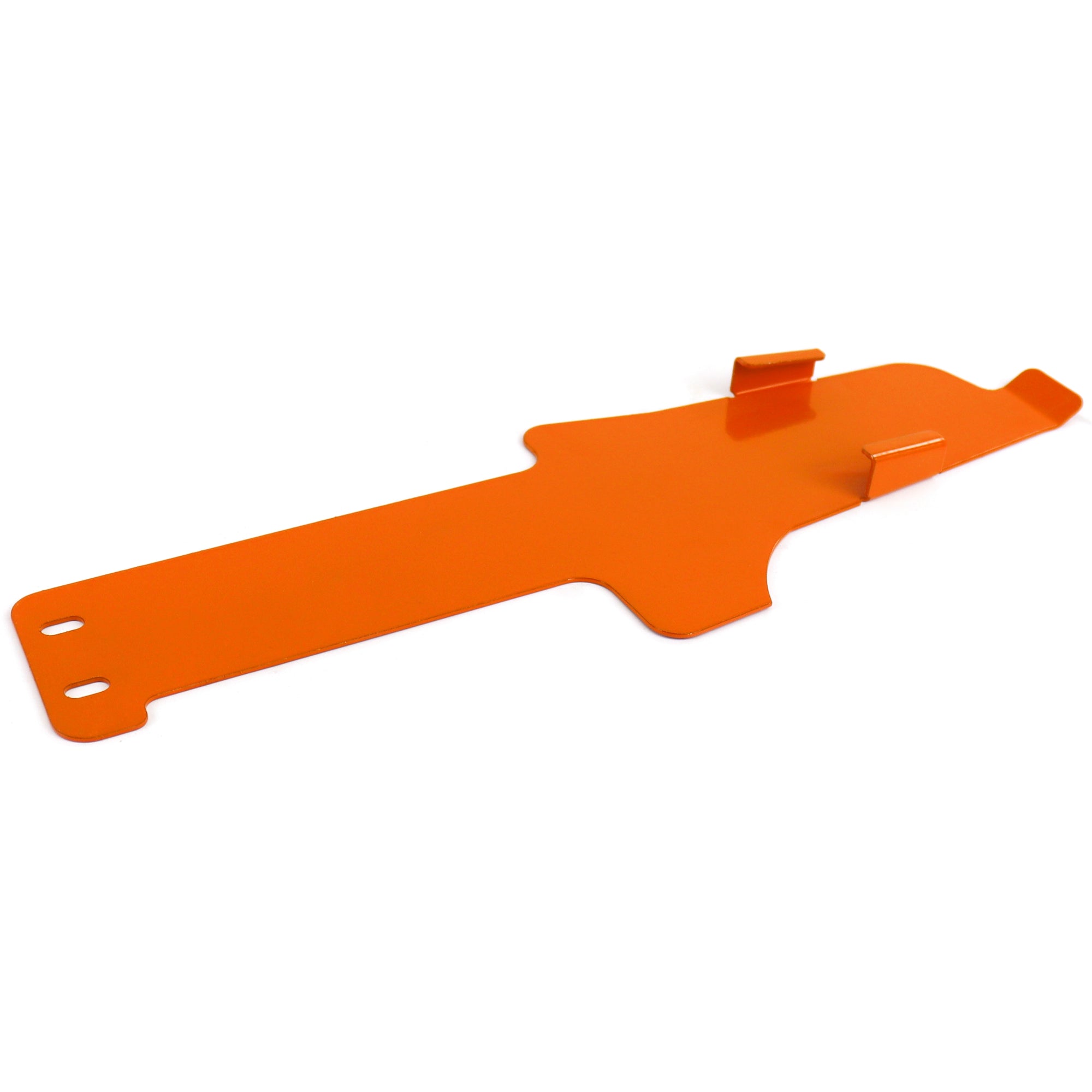
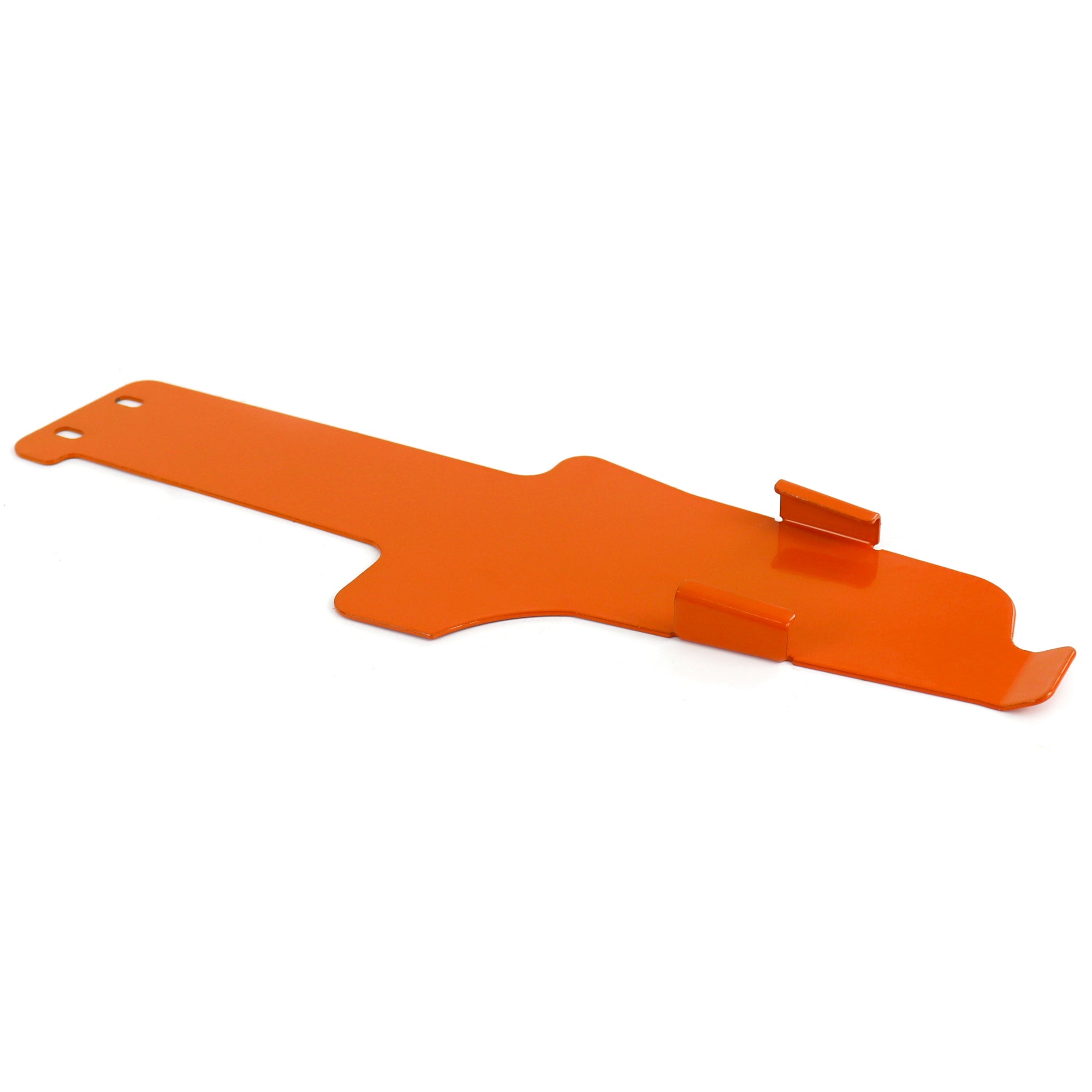



Fuel Tank Guard Skid Protection Plate fit for Stihl MS231 MS241 MS251
FAQS
Cold Start
- Add fuel (fuel mixing ratio: 25:1).
- Close the choke. If the machine is equipped with a primer bulb, press it 3–5 times until the bulb is filled with fuel.
- Pull the starter rope 3–5 times.
- After hearing two “coughing” sounds,
- Open the choke.
- Pull the starter rope to start the machine.
Hot Start
- Open the choke.
- Pull the starter rope to start the machine.
The issue may be caused by an incorrect fuel mixture, spark plug problems, or a clogged carburetor.
- Check whether the fuel mixing ratio is 25:1. If not, adjust the fuel mixture to 25:1.
- Check whether the fuel line is bent or blocked.
- Check whether the spark plug is sparking properly.
- Check whether the engine is flooded.
- Check whether there is a carburetor malfunction.
- Confirm whether the spark plug is producing a spark: Remove the spark plug, connect it to the ignition coil, and place the spark plug electrode in contact with a metal part of the machine. Pull the starter rope and observe whether the spark plug produces a spark during starting.
- Check the electrode gap. The correct gap is 0.5–0.7 mm (approximately the thickness of a credit card).
- Clean oil residue and debris from the surface of the spark plug.
- If the engine still does not start after completing the above steps, replace the spark plug with a new one.
- Check whether the high-voltage wire (ignition coil lead) is damaged.
- Remove the spark plug.
- Turn the machine upside down.
- Pull the starter rope.
- Drain the excess fuel from the cylinder.
- Remove the air filter.
- Use an air blower to remove dust or debris from the air filter.
- If it cannot be cleaned or has been used for a long time, replace the air filter.